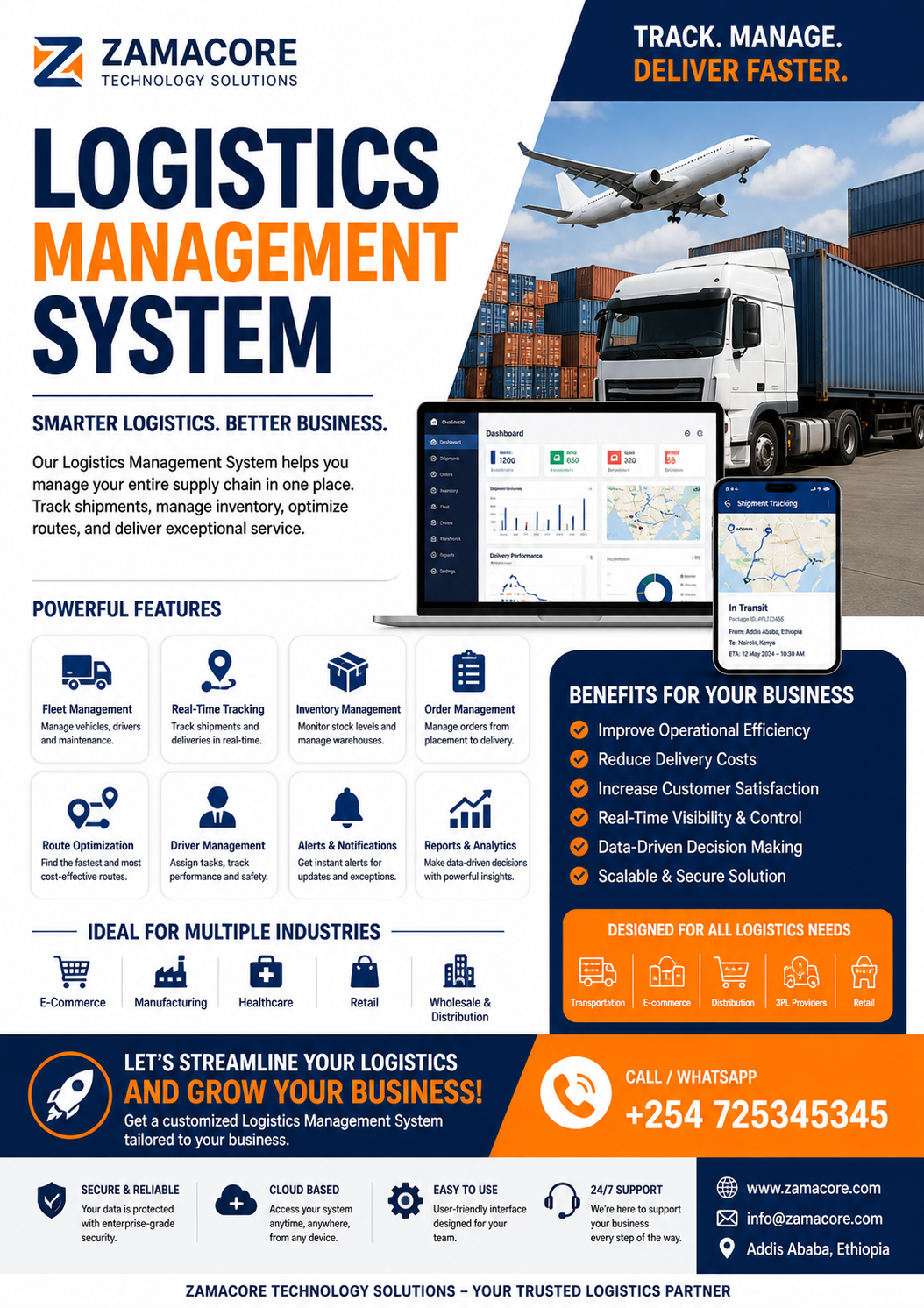
In today’s fast-paced and highly competitive business environment, efficient logistics operations are no longer optional—they are essential. Companies that rely on transportation, warehousing, and inventory management need a smarter way to handle operations. This is where a logistics management system becomes a game-changer.
A logistics management system helps businesses plan, execute, and optimize the movement of goods from origin to destination. Whether you run an e-commerce store, manufacturing company, or distribution business, adopting the right system can significantly improve efficiency, reduce costs, and enhance customer satisfaction.
In this comprehensive guide, we’ll explore everything you need to know about logistics management systems, their features, benefits, types, and why your business needs one in 2026 and beyond.
What is a Logistics Management System?
A logistics management system (LMS) is a software solution designed to manage and streamline logistics operations, including transportation, inventory, warehousing, and order fulfillment.
It acts as a centralized platform that allows businesses to:
- Track shipments in real time
- Manage inventory efficiently
- Optimize delivery routes
- Improve communication across the supply chain
In simple terms, a logistics management system ensures that the right product reaches the right place at the right time.
Why Your Business Needs a Logistics Management System
1. Improved Operational Efficiency
Manual logistics processes are time-consuming and prone to errors. A logistics management system automates tasks, reducing delays and increasing productivity.
2. Real-Time Tracking
Modern logistics systems provide real-time visibility into shipments, helping businesses track goods and respond quickly to issues.
3. Cost Reduction
By optimizing routes, reducing fuel consumption, and improving inventory management, a logistics management system helps cut operational costs.
4. Better Customer Experience
Faster deliveries, accurate tracking, and reliable service lead to higher customer satisfaction.
5. Data-Driven Decision Making
With built-in analytics, businesses can make informed decisions based on real-time data.
Key Features of a Logistics Management System
A high-quality logistics management system comes with a wide range of features designed to improve efficiency and control.
Shipment Tracking
Track deliveries in real time and monitor progress from dispatch to delivery.
Inventory Management
Manage stock levels, reduce overstocking, and prevent shortages.
Order Management
Handle orders efficiently from placement to delivery.
Route Optimization
Automatically calculate the most efficient delivery routes.
Fleet Management
Monitor vehicles, drivers, fuel usage, and maintenance schedules.
Warehouse Management
Optimize storage, picking, and packing processes.
Reporting and Analytics
Generate insights to improve operations and performance.
Types of Logistics Management Systems
Different businesses require different solutions. Here are the main types of logistics management systems:
Transportation Management System (TMS)
Focuses on planning and executing transportation operations.
Warehouse Management System (WMS)
Manages warehouse operations such as inventory storage and order picking.
Inventory Management System
Tracks stock levels and ensures efficient inventory control.
Supply Chain Management System (SCM)
Provides end-to-end visibility and control over the entire supply chain.
Benefits of Implementing a Logistics Management System
Increased Efficiency
Automation reduces manual work and speeds up processes.
Reduced Errors
Minimizes human errors in tracking, billing, and inventory.
Improved Visibility
Provides real-time insights into logistics operations.
Scalability
Supports business growth without operational bottlenecks.
Competitive Advantage
Helps businesses deliver faster and more reliably than competitors.
Logistics Management System for Different Industries
E-commerce
- Faster order fulfillment
- Real-time delivery tracking
- Improved customer experience
Manufacturing
- Efficient raw material tracking
- Production planning
- Inventory optimization
Retail
- Stock management
- Demand forecasting
- Supply chain coordination
Healthcare
- Medical supply tracking
- Compliance and safety
- Timely delivery of critical items
How a Logistics Management System Works
A logistics management system integrates multiple processes into one platform.
Step 1: Order Processing
Orders are received and recorded in the system.
Step 2: Inventory Check
The system verifies stock availability.
Step 3: Route Planning
Optimizes delivery routes for efficiency.
Step 4: Shipment Tracking
Tracks goods in real time.
Step 5: Delivery Confirmation
Confirms successful delivery and updates records.
Challenges Solved by a Logistics Management System
- Lack of visibility in supply chain
- Inefficient route planning
- Inventory mismanagement
- Delayed deliveries
- High operational costs
A logistics management system addresses these challenges effectively.
Cloud-Based vs On-Premise Logistics Management Systems
Cloud-Based Systems
- Accessible from anywhere
- Lower upfront cost
- Easy scalability
On-Premise Systems
- More control over data
- Higher initial cost
- Requires maintenance
Most modern businesses prefer cloud-based logistics management systems.
Key Technologies Behind Logistics Management Systems
Artificial Intelligence (AI)
Used for predictive analytics and demand forecasting.
Internet of Things (IoT)
Enables real-time tracking of vehicles and shipments.
GPS Tracking
Provides accurate location data.
Big Data Analytics
Helps analyze large datasets for better decision-making.
How to Choose the Right Logistics Management System
Understand Your Business Needs
Identify your logistics challenges and requirements.
Evaluate Features
Ensure the system includes essential features like tracking and reporting.
Check Scalability
Choose a system that can grow with your business.
Consider Integration
Ensure compatibility with existing systems.
Review Vendor Experience
Work with a trusted software provider like Zamacore.
Cost of a Logistics Management System
The cost depends on:
- Features and complexity
- Customization requirements
- Deployment type
- Number of users
While initial investment may seem high, the long-term savings make it worthwhile.
Implementation Best Practices
- Define clear goals
- Train employees
- Start with a pilot project
- Monitor performance
- Continuously optimize
Future Trends in Logistics Management Systems
Automation and Robotics
Warehouses are becoming fully automated.
AI and Machine Learning
Predictive logistics and smarter decision-making.
Blockchain Technology
Improved transparency and security.
Sustainable Logistics
Eco-friendly practices and reduced carbon footprint.
Why Choose Zamacore for Your Logistics Management System
Zamacore is a trusted software partner specializing in custom logistics solutions.
What We Offer:
- Custom logistics management systems
- Scalable and secure solutions
- Modern technology stack
- Affordable pricing
- Ongoing support
We build systems tailored to your business needs.
Real-World Example
A logistics company struggling with delayed deliveries implemented a logistics management system.
Results:
- 40% faster delivery times
- 30% reduction in fuel costs
- Improved customer satisfaction
FAQs About Logistics Management Systems
What is a logistics management system?
A software solution that manages logistics operations like transportation and inventory.
Who needs it?
Businesses involved in supply chain, delivery, or inventory management.
Is it expensive?
Costs vary, but it provides long-term savings.
Can it be customized?
Yes, custom solutions offer better flexibility.
Conclusion
A logistics management system is essential for businesses looking to optimize operations, reduce costs, and improve customer satisfaction. With the right system in place, companies can streamline processes, gain real-time insights, and stay competitive in a rapidly evolving market.
Whether you’re a startup or an enterprise, investing in a reliable logistics management system is a smart decision for long-term success.
Call to Action
🚀 Ready to transform your logistics operations?
📞 Call/WhatsApp: +254 725345345
🌐 Visit: zamacore.com
📩 Get a FREE consultation today
Let Zamacore build a powerful logistics management system tailored to your business.
Advanced Features of a Modern Logistics Management System
As technology evolves, a modern logistics management system goes beyond basic tracking and inventory. Businesses now require intelligent systems that can adapt and automate operations.
Predictive Analytics
A powerful logistics management system uses historical data to predict demand, delivery times, and potential disruptions.
Automated Dispatching
Automatically assign deliveries to drivers based on location, availability, and priority.
Multi-Warehouse Support
Manage inventory across multiple locations seamlessly.
Customer Portal
Allow customers to track orders, view delivery status, and receive notifications.
Integration with Payment Systems
Enable invoicing, billing, and payment tracking within the system.
Role of Automation in Logistics Management Systems
Automation is transforming how logistics operations are handled.
A modern logistics management system automates:
- Order processing
- Shipment tracking updates
- Inventory alerts
- Route planning
- Report generation
Benefits of Automation
- Reduced manual workload
- Faster operations
- Improved accuracy
- Lower operational costs
Logistics Management System Architecture (Simple Overview)
Understanding how a logistics management system is structured helps businesses make better decisions.
Core Components
- Frontend Interface
- Web or mobile apps for users
- Backend System
- Handles logic, processing, and data
- Database
- Stores orders, inventory, users, and transactions
- Integration Layer
- Connects with third-party services like GPS, payment gateways, and APIs
Database Design for Logistics Management System
A robust logistics management system typically includes these key tables:
- Users (admins, drivers, customers)
- Orders
- Shipments
- Inventory
- Vehicles
- Routes
- Payments
Proper database design ensures performance and scalability.
API Integration in Logistics Management Systems
APIs play a crucial role in modern logistics platforms.
A logistics management system can integrate with:
- GPS tracking services
- Payment gateways
- E-commerce platforms
- ERP systems
- SMS and email services
This ensures seamless communication between systems.
Mobile Apps in Logistics Management Systems
Mobile technology is essential for logistics operations.
A logistics management system often includes mobile apps for:
Drivers
- Receive delivery assignments
- Navigate optimized routes
- Update delivery status
Customers
- Track orders
- Receive notifications
- Confirm deliveries
KPI Metrics to Track in a Logistics Management System
To measure success, businesses must track key performance indicators (KPIs).
Important KPIs
- Delivery time
- Order accuracy
- Transportation cost
- Inventory turnover
- On-time delivery rate
A good logistics management system provides dashboards for monitoring these metrics.
Common Mistakes When Implementing a Logistics Management System
Avoid these mistakes when adopting a logistics management system:
- Lack of clear goals
- Choosing the wrong software
- Poor employee training
- Ignoring scalability
- Not integrating with existing systems
Logistics Management System for Startups
Startups can benefit greatly from implementing a logistics management system early.
Advantages for Startups
- Efficient operations from day one
- Scalability as the business grows
- Better customer experience
- Reduced operational costs
Logistics Management System for Large Enterprises
Large organizations require advanced systems.
A logistics management system for enterprises offers:
- Multi-location management
- Advanced analytics
- Integration with ERP systems
- High-level security
Security Best Practices
Security is critical in any logistics management system.
Key Measures
- Data encryption
- Role-based access control
- Regular security audits
- Backup and recovery systems
Sustainability and Green Logistics
Modern businesses are focusing on sustainability.
A logistics management system helps reduce environmental impact by:
- Optimizing routes to reduce fuel consumption
- Minimizing waste
- Supporting eco-friendly practices
Competitive Advantage of Using a Logistics Management System
Businesses that use a logistics management system gain:
- Faster delivery times
- Lower costs
- Better customer satisfaction
- Improved operational efficiency
This creates a strong competitive edge in the market.
Building a Custom Logistics Management System
If off-the-shelf solutions don’t meet your needs, consider custom development.
Steps to Build a System
- Define requirements
- Choose technology stack
- Design UI/UX
- Develop backend and frontend
- Test thoroughly
- Deploy and maintain
Working with a company like Zamacore ensures success.
Monetization Opportunities (If You Build SaaS)
A logistics management system can also be turned into a SaaS product.
Revenue Models
- Subscription plans
- Pay-per-use
- Enterprise licensing
Final Expert Insight
The future of logistics is digital. Businesses that adopt a logistics management system early will be better positioned to scale, innovate, and compete globally.
Final High-Converting CTA
🚀 Ready to Build Your Logistics Management System?
Let Zamacore help you create a powerful, scalable, and secure solution tailored to your business.
📞 Call/WhatsApp: +254 725345345
🌐 Website: zamacore.com
📩 Get a FREE consultation today
Related ZamaCore technology guides
Explore more ZamaCore guides on software development, business systems, AI automation, cybersecurity, connectivity, and digital transformation in Kenya.
- Software Development Company in Kenya
- Software Development Company in Mombasa
- 4G Signal Booster Installers
- 4G Signal Booster Installation in Kenya
- 4G Signal Booster Installation in Nairobi
- 4G Signal Booster Installation in Mombasa
- 4G Signal Booster Installation for Hotels
- 4G Signal Booster Installation for Offices
- 4G Signal Booster Installation for Homes
- Software Developer in Nairobi
- Custom Software Development
- AI Automation for Businesses in Kenya
- Business Management System in Kenya
- CRM System for Small Businesses in Kenya
- ERP System for SMEs in Kenya
- AI Chatbot Development in Kenya
- 5G Router and Signal Booster Installation in Kenya
- Cybersecurity Services for Small Businesses in Kenya
- School Management System in Kenya
- Hospital Management System in Kenya
- Property Management System in Kenya
- AI Business Automation in Kenya